
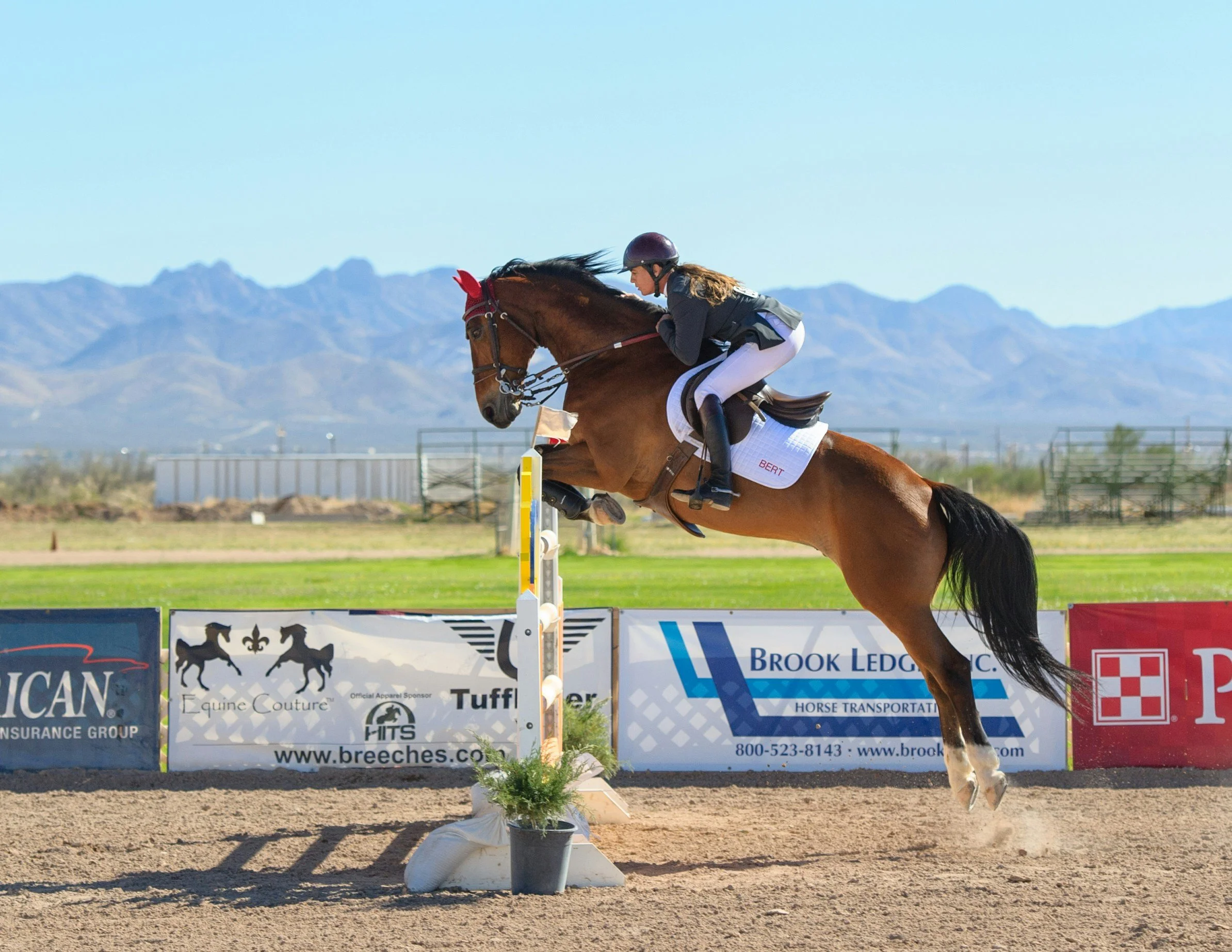
The 10 Tenets of The MRT Rider
The principles that shape your discipline, strengthen your identity, and guide your evolution as a Rider.
1) Rest
Rest is where your body rebuilds strength, restores hormones, and stabilizes your nervous system. During deep sleep, muscle repair increases, memory consolidates, and emotional regulation improves through lowered cortisol. When you honour rest, you amplify every other part of your training. Recovery isn’t passive, it’s your biological super power.
2) Sun
Morning sunlight triggers your circadian rhythm, boosting serotonin, improving mood, and sharpening focus for the rest of the day. Light exposure within the first two hours wakes the brain, regulates hormones, and naturally increases energy. Starting your day with the sun signals alignment, discipline, and leadership — the mark of a Warrior who chooses her direction.
3) Movement
Daily movement improves neuroplasticity, increases blood flow to the brain, and reduces stress hormones. Even 10–20 minutes triggers endorphins, enhances emotional stability, and reinforces identity-based behaviour change. Movement doesn’t just build strength — it rewires your brain into someone who follows through.
4) Fuel
Nourishing food stabilizes blood sugar, balances hunger hormones like ghrelin and leptin, and supports emotional regulation. When you eat to fuel instead of restrict, your energy becomes steady, your training improves, and your moods align. Food is chemistry — and chemistry shapes capability.
5) Hydration
Water directly affects cognitive function, reaction time, digestion, and joint health. Even 2% dehydration reduces clarity and physical performance. Hydration keeps your metabolism active, your muscles pliable, and your brain alert. A Warrior’s focus depends on the simplest discipline: water.
6) Nature
Research shows that grounding reduces cortisol, improves heart rate variability, and calms the amygdala (your fear center). Time outdoors enhances emotional regulation, increases dopamine, and restores attention. Nature brings your system back to baseline — the same calm presence that horses naturally embody.
7) Integrity
Following through releases dopamine in the prefrontal cortex — the part of the brain responsible for motivation and self-control. Keeping promises to yourself builds neural pathways for discipline and identity (“I am someone who does what I say”). Integrity is psychological conditioning — the science of self-trust.
8) Perseverance
Meeting challenge strengthens the stress-adaptation system, increases resilience, and builds mental toughness through the prefrontal cortex–amygdala feedback loop. Discomfort trains your nervous system to stay present under pressure. Perseverance isn’t suffering — it’s neurological training for courage.
9) Indomitable Spirit
A strong inner spirit elevates psychological resilience, increases optimism, and improves recovery from stress by activating the parasympathetic nervous system. Belief in yourself changes how your brain processes effort and adversity. Spirit is the science of inner strength — the energetic force that drives action when motivation fades.
10) Self-Respect
Self-respect regulates boundaries, reduces people-pleasing, and strengthens identity-based decision making. When you honour yourself, you reduce cortisol spikes triggered by self-abandonment and increase confidence through congruent action. Self-respect is a neurochemical alignment with who you’re becoming.